
Kids Dental Chair: Complete Buyer's Guide for Pediatric Dental Equipment
Pediatric dental chairs are not simply scaled-down adult units—they require fundamentally different engineering to address the unique anatomical, psychological, and clinical demands of treating patients aged 3-12 years. The specialized design considerations range from precise dimensional specifications that enable independent patient access to enhanced safety mechanisms that protect vulnerable young patients during treatment.
This comprehensive guide provides dental practice owners, procurement managers, and pediatric dentists with technical specifications, safety standards, clinical evidence, and ROI analysis to make informed equipment purchasing decisions. Whether you're equipping a specialized pediatric practice or adding children's services to a general dental clinic, understanding these critical differences will help you select equipment that improves clinical outcomes, enhances practitioner ergonomics, and delivers measurable return on investment.
Developed with insights from ISO 13485:2016-certified manufacturing expertise and clinical feedback from dental institutions across 60+ countries, this guide addresses the complete lifecycle from procurement evaluation through installation, daily operation, and long-term maintenance.
What Makes Kids Dental Chairs Different from Adult Units
The engineering distinctions between pediatric and adult dental chairs extend far beyond simple size reduction. Understanding these fundamental differences is essential for making informed procurement decisions that support clinical excellence.
Dimensional Specifications for Age-Appropriate Access
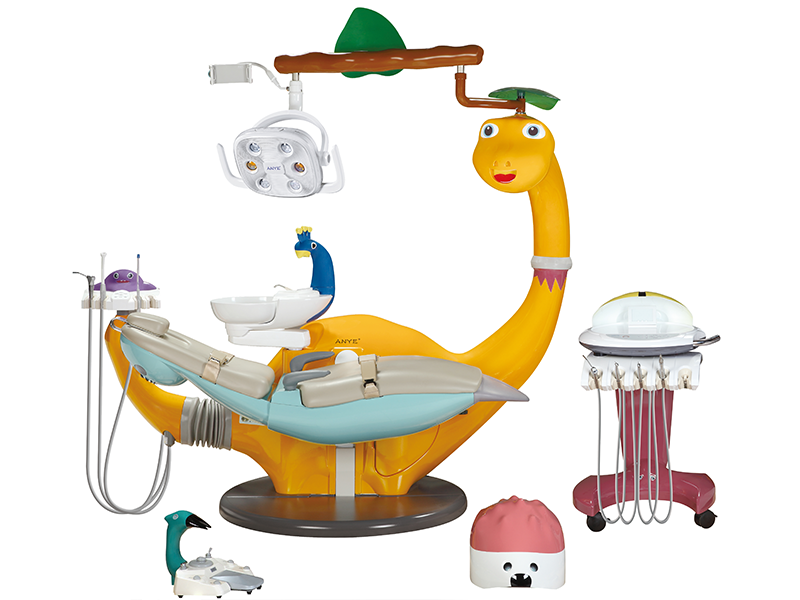
The most immediate difference lies in seat height parameters. Kids dental chairs feature a height range of 350-470mm compared to adult units at 420-800mm. This 70mm lower minimum height serves a critical function: enabling children aged 3-12 years to independently climb onto the chair without assistance. This autonomy reduces procedural anxiety and establishes a sense of control that improves patient cooperation throughout treatment.
The weight capacity specifications reflect the intended patient demographic. Pediatric chairs are engineered for 25-40kg loads versus the 135kg+ standard for adult equipment. While this may appear limiting, the reduced structural requirements enable manufacturers to optimize other performance characteristics such as faster positioning adjustments and more compact footprints.
Backrest Geometry and Body Proportion Accommodation
Backrest design represents another crucial differentiation. Pediatric chairs incorporate retractable or shorter backrest configurations specifically proportioned for patients measuring 90-135cm in height. This targeted geometry ensures proper spinal support without the excessive material that would force children into unnatural positions or create visibility obstacles for practitioners.
The shorter backrest design also facilitates the "knee-to-knee" positioning technique commonly used in pediatric dentistry, where young patients sit facing the practitioner. This technique, proven to reduce anxiety in children under 5 years, becomes mechanically feasible only with appropriately proportioned equipment.
Compactness Advantages for Clinical Workflow
The reduced chair footprint—typically 150x90cm versus 180x120cm for adult units—delivers measurable workflow improvements. Clinical studies demonstrate that compact kids dental chair designs enable 81% improved spittoon accessibility and 69% better instrument tray reach for young patients. These seemingly small improvements translate to reduced chair time, decreased patient fatigue, and enhanced four-handed dentistry efficiency.
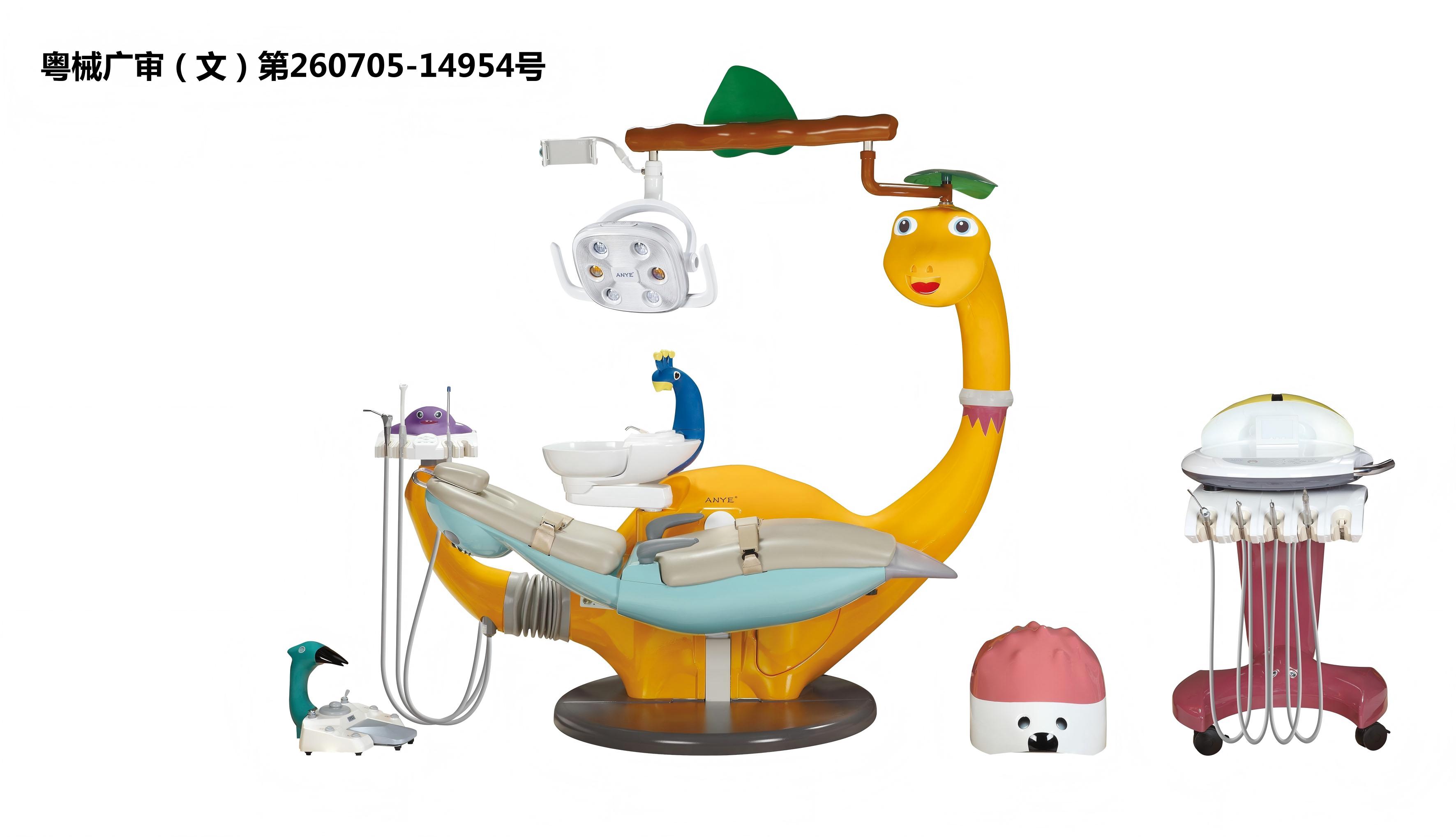
The narrow profile design particularly benefits practitioners by reducing the forward-leaning posture that contributes to chronic musculoskeletal disorders. When treating children on adult-sized chairs, dentists typically compensate for access difficulties by bending forward 15-20 degrees more than optimal working positions—a strain multiplied across dozens of daily patient encounters. Anye's Kids Unit AY-215D3 exemplifies these compact design principles with a footprint optimized for pediatric workflow efficiency.
Critical Design Specifications and Ergonomic Features
Technical specifications form the foundation of clinical performance and long-term equipment reliability. Understanding these engineering parameters enables procurement teams to evaluate competing products objectively and ensure compatibility with existing practice infrastructure.
Height Adjustment Ranges by Patient Age Group
Pediatric dental chairs must accommodate patients spanning nearly a decade of rapid physical development. Toddler patients (ages 3-5) require positioning at 350-420mm seat heights, while school-age children (ages 6-12) utilize the 400-470mm range. Premium pediatric units incorporate programmable height presets that enable operators to rapidly configure optimal positioning based on patient age categories.
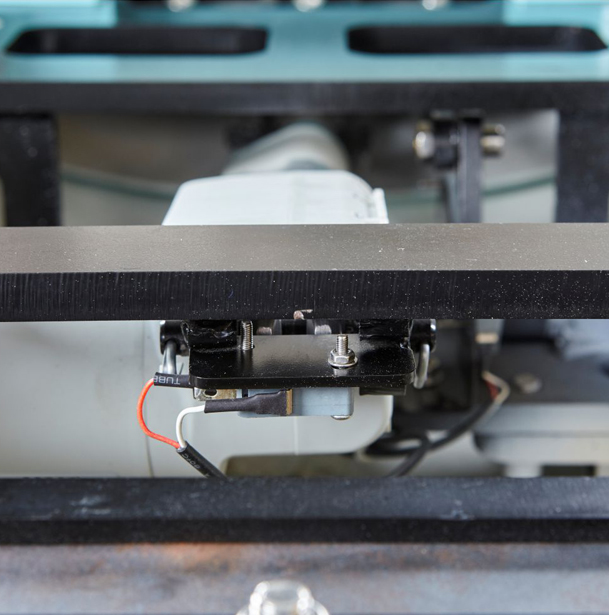
The adjustment mechanism itself demands specialized engineering. While adult chairs prioritize heavy-load lifting capacity, pediatric units emphasize rapid positioning cycles—often 2-3 times more frequent due to the higher patient turnover typical in pediatric practices. Motors must deliver reliable performance across 50,000+ adjustment cycles while maintaining quiet operation to minimize procedural anxiety.
Upholstery Materials and Durability Requirements
The material science behind pediatric dental chair upholstery addresses unique demands. Children generate 2-3 times more surface wear than adult patients due to restless movements, and contamination risks increase with younger patients who may have less developed hygiene habits. Heavy-duty antimicrobial materials become essential rather than optional.
Premium upholstery incorporates seamless construction that eliminates bacterial harboring crevices while maintaining sufficient padding to prevent pressure points during extended procedures. The material must withstand aggressive disinfection protocols—including 10% bleach solutions and quaternary ammonium compounds—without degrading over the equipment's 10-15 year expected service life.
Headrest Positioning Systems
Adjustable headrest mechanisms represent one of the most clinically critical specifications. Systems must accommodate patient heights from 90-135cm while maintaining stability during procedures that generate significant force—particularly extractions and restorative work on primary molars. Multi-axis adjustment enables practitioners to achieve optimal visibility angles while ensuring patient comfort during lengthy procedures.
Advanced headrest designs incorporate memory foam with antimicrobial additives and removable, autoclavable cushion covers that enable thorough sterilization between patients. The positioning mechanism should offer both coarse adjustment (5-10cm increments) and fine-tuning capabilities (1-2cm precision) to accommodate individual anatomical variations.
Power and Electrical Specifications
Standard pediatric dental chairs operate on AC220V/110V power supplies with typical input power of 1200W. The control systems utilize DC24V/150VA motor systems that provide precise positioning control while maintaining electrical safety margins appropriate for medical equipment. Understanding these specifications ensures compatibility with existing practice electrical infrastructure and enables accurate cost estimation for any required electrical upgrades during installation.
Electromagnetic compatibility (EMC) standards deserve particular attention for practices integrating digital imaging and electronic patient record systems. Premium units incorporate shielding and filtering that prevents interference with sensitive diagnostic equipment. For practices evaluating dental equipment procurement strategies, understanding these technical specifications helps ensure seamless integration with existing practice systems.
Safety Standards and Regulatory Compliance Requirements
Safety certifications and regulatory compliance represent non-negotiable requirements for pediatric dental equipment. Understanding these standards enables procurement teams to verify manufacturer claims and ensure patient safety.
ISO 13485:2016 Quality Management Systems
ISO 13485:2016 certification indicates that a manufacturer maintains comprehensive quality management systems specifically designed for medical device production. This standard requires documented procedures for design controls, risk management, production processes, and post-market surveillance. When evaluating kids dental chair suppliers, verification of current ISO 13485 certification should constitute a mandatory procurement criterion.
The certification process involves regular third-party audits that verify continued compliance. Manufacturers who maintain ISO 13485 certification demonstrate commitment to systematic quality control that extends beyond individual product testing to encompass entire production operations—from raw material procurement through finished product delivery.
Structural Stability and Anti-Tipping Mechanisms
Anti-tipping mechanisms protect young patients who may shift weight unexpectedly or attempt to climb on equipment inappropriately. Testing protocols require chairs to maintain stability when subjected to off-center loads up to 150% of rated capacity. The wide base design and low center of gravity typical of pediatric chairs provide inherent stability advantages over adult equipment.
Structural testing must verify that frames withstand repeated stress cycles without developing fatigue cracks or joint loosening. Premium manufacturers conduct accelerated lifecycle testing that simulates 10-15 years of clinical use before product release.
Essential Safety Features for Pediatric Patients
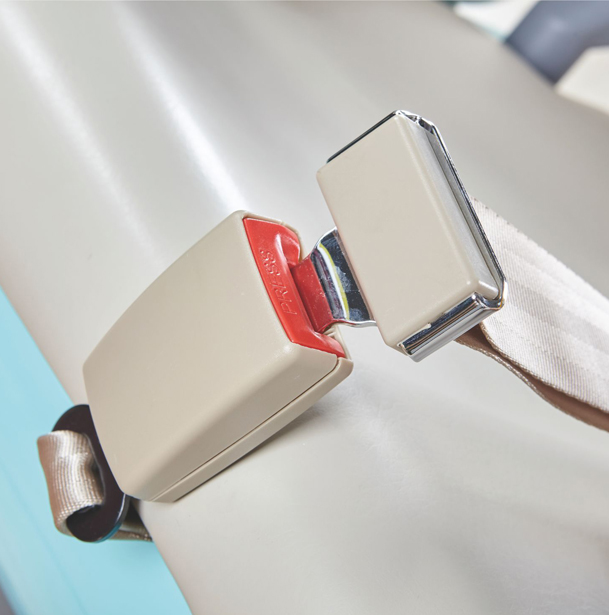
Pediatric dental chairs incorporate multiple safety systems that address the unique vulnerabilities of young patients. Adjustable seatbelts provide gentle restraint that prevents falls without creating anxiety-inducing confinement. Head and body stabilization systems enable practitioners to maintain proper positioning while ensuring patient comfort.
Emergency stop buttons must be accessible to both primary operators and assistants, enabling immediate chair motion cessation if patients exhibit distress. Anti-crush sensors detect obstruction during powered movements and automatically halt operation—critical protection for patients who may inadvertently place hands or feet in movement zones.
Lock-out functions prevent inadvertent activation of powered adjustments during procedures. These mechanisms must demonstrate reliability across thousands of usage cycles while remaining intuitive for operators to engage and disengage. Modern safe dental unit designs integrate multiple redundant safety systems to protect vulnerable pediatric patients.
Material Safety and Biocompatibility
All patient-contact surfaces must utilize non-toxic materials that meet biocompatibility standards for medical devices. Upholstery fabrics, cushion padding, and headrest materials undergo testing for skin sensitization, cytotoxicity, and systemic toxicity according to ISO 10993 biological evaluation standards.
The significance of material safety increases for pediatric applications due to children's greater susceptibility to chemical exposures and their tendency to touch surfaces that adults would avoid. Premium pediatric chairs eliminate materials containing latex, phthalates, and volatile organic compounds that may trigger allergic reactions or long-term health concerns.
Electrical Safety Certifications
CE marking and IEC 60601-1 compliance verify that equipment meets international electrical safety standards for medical devices. These certifications address insulation integrity, leakage currents, protection against electric shock, and electromagnetic compatibility. Procurement specifications should explicitly require documentation of these certifications rather than accepting manufacturer claims without verification.
The IEC 60601-1 standard specifically addresses applied parts classification—designating which equipment components contact patients and establishing corresponding safety requirements. Understanding these classifications enables practices to verify appropriate safety margins for their clinical applications.
Clinical Benefits for Pediatric Dental Practitioners
The clinical advantages of purpose-built kids dental chairs extend beyond patient comfort to encompass practitioner ergonomics, treatment efficiency, and long-term career sustainability.
Practitioner Posture Optimization and Ergonomics
Clinical research demonstrates that 78% of pediatric dentists report significantly improved ergonomics when using pediatric chairs versus adult equipment for treating children. The compact dimensions and appropriate height ranges enable practitioners to maintain neutral spine positions and optimal viewing angles without compensatory postural adjustments.
The ergonomic benefits compound over career timelines. Practitioners who consistently work in optimal positions experience 40% fewer work-related musculoskeletal disorders compared to those who treat pediatric patients on adult equipment. This translates to extended career longevity and reduced disability claims—significant considerations for practice owners evaluating total cost of ownership.
Enhanced Visibility and Operatory Light Focus
Proper patient positioning directly impacts visibility quality. Pediatric chairs enable precise head positioning that optimizes operatory light focus on treatment areas. The shorter backrest design eliminates shadows that adult chair geometry creates when treating small patients, improving visibility during detailed procedures such as composite restorations and endodontic treatment.
Enhanced visibility reduces eye strain for practitioners and improves treatment quality by enabling earlier detection of developing pathology. The ability to maintain consistent visibility without frequent positioning adjustments also reduces procedure duration and patient fatigue.
Four-Handed Dentistry Efficiency
The compact footprint of pediatric dental equipment significantly improves four-handed dentistry workflow. Dental assistants can position themselves optimally for instrument transfers and aspiration without the reach limitations imposed by adult-sized equipment. Clinical time-motion studies show that compact pediatric chairs reduce assistant movement by 30-40% during typical restorative procedures.
This improved positioning translates to better instrument handoff efficiency, reducing the delays that extend procedure times and increase patient restlessness. The cumulative effect across multiple daily patients delivers measurable productivity improvements for practices serving high volumes of pediatric patients.
Patient Cooperation and Movement Reduction
Clinical research indicates that 82% better headrest positioning—enabled by appropriately sized equipment—reduces involuntary patient movement during procedures. When children feel securely supported without excessive constraint, they demonstrate improved cooperation and reduced anxiety behaviors.
The psychological impact of appropriately sized equipment extends beyond mere comfort. Children perceive adult-sized chairs as overwhelming or intimidating, while pediatric chairs scaled to their proportions create an age-appropriate environment that reduces treatment anxiety. This psychological advantage translates to reduced sedation requirements and improved long-term dental attitudes.
Treatment Time Efficiency and Productivity
Better practitioner access and improved patient cooperation combine to reduce typical procedure duration by 15-20%. This efficiency gain enables practices to serve more patients within existing clinical hours or reduce working hours while maintaining revenue targets. Over annual timelines, this productivity improvement delivers substantial return on pediatric equipment investment.
Reduced procedure times also benefit patients by minimizing fatigue and discomfort. Shorter appointments prove particularly valuable for very young patients with limited attention spans and developing patients requiring multiple sequential procedures.
Procurement Guide: Evaluation Criteria and Vendor Selection
Strategic procurement requires systematic evaluation of product quality, manufacturer credentials, total cost of ownership, and after-sales support capabilities.
Quality Assessment: Materials and Construction
Frame construction forms the foundation of long-term reliability. Premium pediatric dental chairs utilize stainless steel or aerospace-grade aluminum alloys that provide optimal strength-to-weight ratios. Welded construction offers superior longevity compared to bolted assemblies that may loosen over time. Procurement teams should request detailed specifications on frame materials, joint construction methods, and corrosion resistance treatments.
Upholstery quality significantly impacts total cost of ownership. Request documentation on wear-resistance testing, antimicrobial effectiveness, and chemical resistance to common dental disinfectants. Premium manufacturers provide upholstery samples that enable practices to conduct independent durability assessments before finalizing purchasing decisions.
Safety Feature Verification
Testing protocols should verify the actual performance of safety features rather than accepting specification claims without validation. Request documentation showing seatbelt strength testing results, emergency stop response times, and anti-crush sensor activation thresholds. Reputable manufacturers provide third-party testing reports that demonstrate compliance with relevant safety standards.
Immobilizer functionality deserves particular scrutiny. Request demonstrations showing how these systems prevent inadvertent powered movements during procedures. Evaluate the intuitiveness of controls and the reliability of lock-out mechanisms across multiple activation cycles.
Manufacturer Credentials and Production Capacity
ISO 13485:2016 certification represents the minimum acceptable quality management standard for medical device manufacturers. Request copies of current certification documents and verify the certification scope covers the specific product categories you're procuring. Be aware that some manufacturers hold ISO certification for certain product lines while outsourcing others to uncertified subcontractors.
Production capacity and vertical integration affect long-term parts availability and technical support quality. Manufacturers with vertically integrated operations—controlling production from raw materials through finished products—typically offer superior quality consistency and faster spare parts delivery. Anye Medical's manufacturing capabilities demonstrate the advantages of complete vertical integration, with control over every production stage from raw materials to finished pediatric dental units.
Cost Analysis: Standalone Chairs vs Complete Units
Standalone pediatric dental chairs typically range from $3,500-6,500, while complete pediatric units including integrated delivery systems cost $12,000-28,000. The pricing differential reflects the inclusion of handpieces, scalers, curing lights, assistant instrumentation, and integrated control systems in complete units.
The optimal choice depends on practice circumstances. Existing practices with functional delivery systems may prefer standalone chairs that integrate with current equipment. New practices or those completely renovating pediatric operatories often achieve better value and aesthetic coordination with complete integrated units.
Total Cost of Ownership Considerations
Purchase price represents only one component of total equipment cost. Installation expenses vary from $500-2,000 depending on facility preparation requirements and utility modifications. Comprehensive operator training—essential for maximizing equipment capabilities and longevity—adds $300-800 per unit.
Maintenance contracts typically cost 3-5% of equipment value annually but provide valuable protection against unexpected repair expenses and equipment downtime. Spare parts availability and lead times significantly impact total ownership costs, as equipment downtime directly impacts practice revenue. Manufacturers with extensive dealer networks and regional parts distribution typically deliver faster service compared to importers dependent on international shipping.
Warranty Terms and Service Agreements
Standard warranties typically provide 2-3 years comprehensive coverage on mechanical components, motors, and control systems. Premium manufacturers offer extended warranty options up to 5 years that may prove cost-effective for practices prioritizing budget predictability. Carefully review warranty exclusions—particularly regarding upholstery wear and damage from improper maintenance or unauthorized repairs.
After-Sales Support Infrastructure
Technical support capabilities significantly impact long-term satisfaction with equipment purchases. Evaluate manufacturers on training comprehensiveness, service hotline availability (24/7 access proves valuable for practices experiencing equipment failures), and spare parts lead times. Request references from existing customers in your geographic region to assess actual support quality rather than relying solely on marketing claims.
Installation, Integration, and Maintenance Requirements
Proper installation and ongoing maintenance practices directly impact equipment performance, longevity, and patient safety outcomes.
Space Planning and Operatory Dimensions
Pediatric dental chairs require minimum footprint allocations of 150x90cm, though optimal workflow demands 200x180cm operatory dimensions when accounting for practitioner positioning, assistant access, and cabinetry. Space planning should consider door swing clearances, storage access, and emergency egress requirements mandated by local building codes.
The compact footprint of kids dental chairs enables practices to configure multiple pediatric operatories within space that would accommodate fewer adult treatment rooms. This space efficiency proves particularly valuable for dedicated pediatric practices serving high patient volumes.
Utility Infrastructure Requirements
Electrical requirements typically include dedicated AC220V/110V circuits with 15-20 amp capacity. Ground fault circuit interrupter (GFCI) protection is mandatory for patient safety. Practices should verify that existing electrical infrastructure meets these requirements before equipment delivery to avoid installation delays and additional costs.
Water supply specifications require connections delivering 2.0-4.0 bar pressure with integrated thermostatic control (typically 24V/80VA) ensuring patient-safe water temperatures of 20-40°C. Drainage systems must accommodate wastewater volumes of 2-4 liters per minute with appropriate trap configurations preventing sewer gas infiltration.
Integration with Existing Practice Systems
Pediatric dental chairs must integrate seamlessly with practice infrastructure including compressed air systems (typically requiring 20L-75L capacity at 0.55-0.8MPa pressure), suction systems (delivering 300-500 liters/minute evacuation), and operatory lighting. Verify compatibility specifications before finalizing equipment selections to avoid costly modifications or performance compromises.
Digital integration capabilities increasingly influence purchasing decisions. Chairs with integrated position sensors enable automatic documentation in electronic health records, while programmable positioning presets linked to patient profiles improve workflow efficiency in high-volume practices. For practices requiring equipment adaptability, exploring flexible dental equipment configurations helps ensure compatibility with evolving practice needs.
Calibration Protocols and Safety Verification
Regular calibration maintains positioning accuracy and safety mechanism reliability. Height adjustment motors require quarterly verification ensuring consistent positioning across the full range of motion. Safety sensor calibration confirms anti-crush mechanisms activate at appropriate thresholds—neither so sensitive they trigger during normal operation nor so resistant they fail to protect patients.
Documentation of calibration activities satisfies regulatory requirements and provides liability protection. Many practices incorporate calibration verification into existing quarterly infection control audits to minimize administrative burden.
Cleaning, Disinfection, and Surface Maintenance
Antimicrobial surface maintenance requires daily cleaning with EPA-registered hospital-grade disinfectants. Upholstery care protocols should follow manufacturer specifications to prevent material degradation that compromises both appearance and infection control properties. Seamless upholstery designs simplify cleaning by eliminating crevices where biofilm may develop.
Removable components including headrest cushions and armrests should undergo heat sterilization according to manufacturer specifications—typically autoclaving at 121°C for 15-20 minutes or alternative high-level disinfection methods for heat-sensitive materials.
Preventive Maintenance Schedule
Quarterly safety inspections should verify seatbelt integrity, emergency stop functionality, and powered movement systems. Annual comprehensive inspections by qualified technicians assess motor performance, hydraulic system integrity, electrical safety, and structural stability. These preventive maintenance activities significantly reduce equipment failures and extend service life.
Critical Spare Parts Inventory
Practices should maintain small inventories of components with high failure probability or long replacement lead times. Typical critical spares include upholstery covers (enabling rapid replacement of damaged or excessively worn materials), control system fuses, and hydraulic seals. Manufacturers typically provide recommended spare parts lists based on component failure data from their installed base.
Advanced Features and 2026 Technology Trends
Innovation in pediatric dental equipment increasingly focuses on psychological comfort, infection control, and digital integration capabilities that enhance both clinical outcomes and practice efficiency.
Integrated Multimedia Entertainment Systems
Modern kids dental chairs increasingly incorporate multimedia displays that reduce procedural anxiety through distraction techniques. Ceiling-mounted or chair-integrated screens enable patients to watch age-appropriate content during treatment, with clinical research demonstrating 40-60% reduction in anxiety behaviors when entertainment systems are utilized.
Advanced systems integrate with practice management software to automatically select content appropriate for patient age and treatment duration. Some premium units incorporate interactive elements including touchless gesture controls that enable patients to select content without compromising infection control protocols. The latest illuminated kids dental chair designs combine entertainment features with ambient lighting that creates calming treatment environments.
Themed Designs for Psychological Comfort
Child-psychology-informed design transforms clinical equipment into less intimidating experiences. Popular themes include safari adventures with jungle-colored upholstery, underwater explorations featuring fish-shaped instrument trays, and space missions with rocket chair designs. These creative elements particularly benefit practices serving children aged 3-7 years who respond strongly to imaginative environments.
The psychological benefits extend beyond immediate anxiety reduction. Children who experience positive early dental encounters develop more favorable long-term attitudes toward dental care, improving lifetime oral health outcomes and reducing future treatment challenges.
Smart Positioning Memory and Automation
Programmable positioning presets enable operators to rapidly configure optimal chair positions for different patient age groups and procedure types. Premium systems store positioning preferences linked to patient profiles, automatically configuring appropriate heights and angles when treatment records are accessed.
These automation features reduce positioning time by 30-50 seconds per patient—seemingly modest savings that accumulate to 15-20 minutes daily in practices serving 30-40 pediatric patients. The time savings enable practices to improve scheduling efficiency or reduce rushed appointments that compromise treatment quality.
Enhanced Antimicrobial Technologies
Next-generation infection control incorporates copper-infused upholstery materials that provide continuous antimicrobial action between cleaning protocols. Copper ions disrupt bacterial cell membranes, providing 99.9% reduction in surface contamination within 2 hours of exposure. This passive antimicrobial action supplements active disinfection protocols without requiring additional labor or consumables.
UV sterilization systems integrated into chair bases provide automated disinfection of high-touch surfaces during unoccupied periods. Timed activation ensures thorough exposure while preventing patient or staff exposure to UV radiation.
Space-Saving Innovations for Mobile and Small Practices
Retractable component designs enable pediatric chairs to reduce their footprint by 30-40% when not in use. This capability proves particularly valuable for mobile dental clinics serving schools and underserved communities, as well as small private practices maximizing limited operatory space.
Modular designs enable rapid assembly and disassembly for practices operating multiple clinical sites or requiring equipment relocation during facility renovations. For practices requiring portability, specialized dental unit portable configurations provide clinical capabilities in compact, transportable formats that expand access to pediatric dental care.
Digital Integration and Electronic Health Records
Chair position sensors that automatically document patient positioning in electronic health records reduce administrative burden while improving documentation quality. Integration with practice management systems enables automatic equipment utilization tracking that informs maintenance scheduling and capital equipment replacement planning.
Advanced units incorporate IoT connectivity that enables remote diagnostics and predictive maintenance. Manufacturers can monitor equipment performance data and proactively schedule service before failures occur, reducing unexpected downtime that disrupts practice schedules and patient care.
Sustainability Features
Energy-efficient motors reduce electrical consumption by 20-30% compared to previous generation equipment. Recyclable materials and modular designs that enable component replacement rather than complete unit disposal reduce environmental impact over equipment lifecycles.
Water-saving technologies including foot-switch-activated delivery systems prevent waste from continuously running water supplies. These sustainability features reduce operating costs while addressing growing environmental concerns among dental practices and their patients.
Comparing Standalone Chairs vs Complete Pediatric Units
Configuration decisions significantly impact both initial investment and long-term practice workflow, making careful comparison essential for optimal procurement outcomes.
Standalone Chair Advantages
Standalone pediatric dental chairs priced at $3,500-6,500 offer compelling advantages for practices with functional existing delivery systems. The lower initial investment enables practices to expand pediatric service capacity without comprehensive operatory renovations. Flexibility to pair chairs with preferred handpiece systems, curing lights, and assistant instrumentation allows practices to maintain equipment consistency across adult and pediatric operatories.
The standalone approach also enables phased capital investment, allowing practices to add pediatric capacity as patient demand develops rather than committing to complete unit investments before market validation. This incremental strategy reduces financial risk for practices entering pediatric dentistry for the first time.
Complete Unit Benefits
Complete pediatric units priced at $12,000-28,000 provide integrated delivery systems, coordinated aesthetic design, and consolidated warranties from single manufacturers. The coordinated design ensures optimal ergonomics between chair positioning and delivery system locations, eliminating the compromises often necessary when combining components from different manufacturers.
Single-source warranties simplify service coordination and eliminate disputes about responsibility when problems involve interactions between chair and delivery system components. Aesthetic coordination creates cohesive operatory appearances that contribute to professional practice branding and patient confidence.
Configuration Options: Modular vs Integrated Designs
Modular configurations combining chairs with separate mobile carts offer flexibility to reconfigure operatory layouts as practice needs evolve. This approach suits practices anticipating facility renovations or those requiring equipment mobility for teaching applications in academic settings.
Fully integrated console designs provide cleaner aesthetics and eliminate mobility-related wear on casters and connections. The permanent installation typically offers superior stability and longevity, making integrated units preferable for established practices in permanent facilities.
Modular Upgrade Pathways
Base kids dental chair units accepting modular upgrades enable practices to manage initial investment while retaining expansion options. Practices can begin with basic configurations including chair and essential delivery components, later adding high-speed handpieces, LED curing lights, ultrasonic scalers, and intraoral cameras as clinical needs and budgets permit.
This staged investment approach spreads capital costs over multiple budget cycles while ensuring equipment capabilities grow alongside practitioner skills and patient service offerings. Verify that modular systems accept upgrades without requiring complete unit replacement, as some manufacturers artificially constrain upgrade pathways to drive future equipment sales.
Practice Type Considerations
General dentistry practices offering pediatric services as secondary specialties typically find standalone chairs or modest complete units ($12,000-18,000 range) adequate for their clinical needs and patient volumes. These practices often prioritize equipment consistency and shared component compatibility across all operatories.
Specialized pediatric dental practices serving high patient volumes justify premium complete units ($18,000-28,000 range) with advanced features including multimedia systems, themed designs, and extensive automation. The enhanced patient experience and workflow efficiency deliver measurable return on investment through improved patient cooperation, increased scheduling capacity, and enhanced competitive differentiation.
Return on Investment Timeline
Complete pediatric units typically achieve positive ROI within 3-5 years through improved patient volume, reduced procedure times, and enhanced equipment longevity. Standalone chairs reach ROI more rapidly at 2-3 years due to lower initial investment, though practices must consider the opportunity costs of potentially suboptimal ergonomics and workflow efficiency.
ROI calculations should account for practitioner productivity improvements, reduced musculoskeletal disorder risks, patient satisfaction enhancements that drive referrals and retention, and competitive advantages in local markets increasingly focused on patient experience differentiation.
Booster Seat Limitations
Clinical research demonstrates that 95% of pediatric dental practitioners find booster seats inadequate substitutes for purpose-built pediatric chairs. Boosters fail to address ergonomic requirements, provide minimal safety advantages, and often create positioning instability that increases procedural difficulty and patient anxiety.
The modest cost savings of boosters ($200-400) versus standalone pediatric chairs prove false economy when accounting for reduced clinical efficiency, increased practitioner fatigue, and compromised patient experiences that impact practice reputation and growth potential.
Conclusion
Selecting appropriate kids dental chairs requires balancing technical specifications, safety standards, clinical ergonomics, and total cost of ownership considerations. Purpose-built pediatric equipment delivers measurable advantages over adult chairs or improvised solutions, including improved practitioner posture that reduces musculoskeletal disorders, enhanced patient cooperation through age-appropriate sizing and psychological comfort, and workflow efficiency gains that increase practice productivity by 15-20%.
When evaluating suppliers, prioritize manufacturers with documented ISO 13485:2016 certification, comprehensive warranties, responsive technical support, and vertically integrated production capabilities that ensure long-term parts availability. The initial investment in quality pediatric dental equipment—whether standalone chairs at $3,500-6,500 or complete units at $12,000-28,000—delivers returns through extended equipment longevity, reduced maintenance costs, and superior clinical outcomes.
As pediatric dental equipment continues advancing with integrated multimedia systems, enhanced antimicrobial technologies, and digital practice integration capabilities, practices that invest in current-generation equipment position themselves for competitive advantage while improving care quality for their youngest patients. Practices seeking comprehensive solutions can explore options ranging from creative dental equipment designs to specialized configurations that meet specific clinical requirements.
For dental practices ready to enhance their pediatric service capabilities with ISO-certified, vertically integrated manufacturing expertise, Anye Medical's company profile demonstrates over two decades of global clinical experience backed by comprehensive technical support and quality assurance systems.
留言