
New Children Dental Chair Manufacturers: Complete 2026 Buyer's Guide to Pediatric Dental Equipment
The global pediatric dental chairs market is experiencing unprecedented transformation. Valued at $610 million in 2025, industry analysts project the market will reach $957 million by 2032, expanding at a robust 6.8% compound annual growth rate. This growth reflects more than market expansion—it signals a fundamental shift in how new children dental chair manufacturers are reimagining pediatric dental care through technological innovation, child-centric design, and advanced safety protocols.
Today's procurement landscape features emerging manufacturers from China, Europe, and North America introducing game-changing capabilities that challenge traditional market leaders. From AI-assisted positioning systems to integrated entertainment platforms, these innovations are transforming dental visits from anxiety-inducing experiences into engaging, comfortable encounters for young patients. For dental practice owners, hospital procurement managers, and equipment distributors, understanding this evolving manufacturer ecosystem has become critical to making informed purchasing decisions that enhance patient care while optimizing operational efficiency and return on investment.
The 2026 Pediatric Dental Chair Manufacturing Landscape
The pediatric dental equipment sector has undergone significant restructuring as specialized manufacturers gain market share from traditional general dental suppliers. Market research indicates the global dental chair market is experiencing 5.8% annual growth through 2032, with pediatric-specialized segments outpacing general equipment categories.
Regional Manufacturing Dynamics
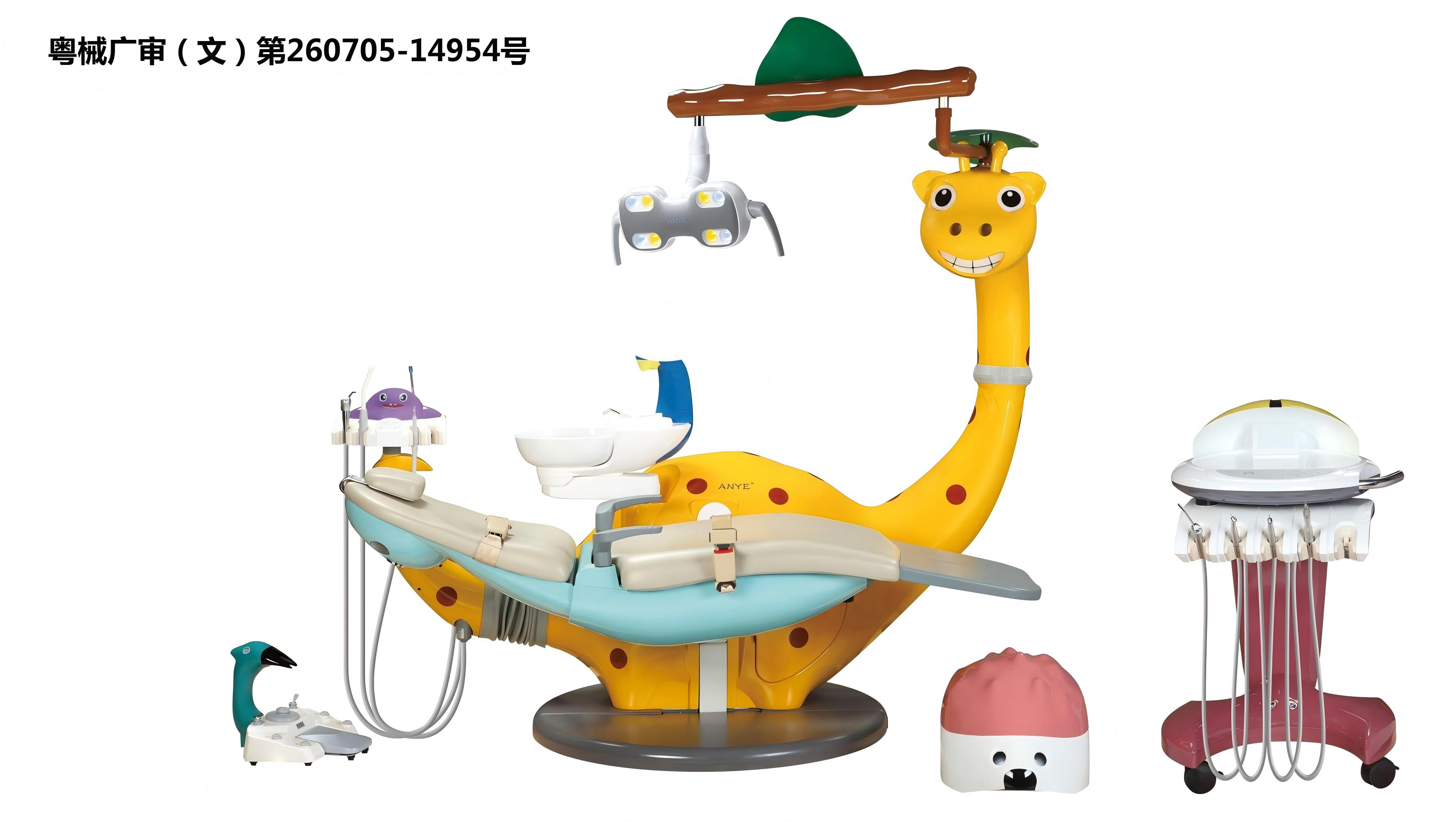
China has emerged as a dominant force in pediatric dental chair manufacturing, with companies leveraging advanced automation and competitive pricing strategies. Leading Chinese manufacturers now control approximately 35% of global market share, offering price points 30-40% below Western competitors while increasingly matching quality standards. These manufacturers have invested heavily in R&D facilities, with several establishing innovation centers focused exclusively on pediatric dental equipment.
European manufacturers maintain their reputation for design innovation and sustainability leadership. Companies based in Germany, Italy, and Switzerland continue setting industry benchmarks for ergonomic design, materials science, and environmental responsibility. Their premium positioning targets high-end pediatric practices and children's hospital networks willing to invest in cutting-edge technology and sustainable manufacturing practices.
North American manufacturers distinguish themselves through comprehensive service networks and deep regulatory expertise. Their proximity to major markets enables rapid response times for technical support and spare parts distribution, a critical advantage for large dental organizations managing multiple locations.
Vertically Integrated vs. Assembly-Based Models
A crucial differentiator among new children dental chair manufacturers involves production methodology. Vertically integrated manufacturers—controlling production from raw material sourcing through final assembly—demonstrate superior quality consistency and customization flexibility. Companies like ANYE Medical, which manages every production stage from raw materials to finished products, exemplify this model's advantages in comprehensive quality control while reducing supply chain vulnerabilities.
Conversely, assembly-based manufacturers source components from multiple suppliers, focusing on final integration. While this approach offers lower capital requirements, it introduces potential quality variations and limits customization capabilities. For procurement managers evaluating suppliers, understanding this distinction proves essential for assessing long-term reliability and support capabilities.
The shift toward pediatric specialization represents another defining trend. Rather than treating children's chairs as downsized adult equipment, leading manufacturers now employ child development specialists, pediatric dentists, and child psychologists during design phases, resulting in fundamentally different approaches to ergonomics, entertainment integration, and anxiety reduction.
Essential Safety Standards and Certification Requirements
Safety certification represents the foundation of pediatric dental chair evaluation. Unlike adult equipment, children's chairs must address unique physiological and developmental considerations while meeting stringent international regulatory requirements.
Core Certification Framework
FDA clearance remains mandatory for manufacturers targeting the United States market. The FDA classifies dental chairs as Class II medical devices, requiring 510(k) premarket notification demonstrating substantial equivalence to existing approved devices. This process involves comprehensive documentation of materials, manufacturing processes, and clinical testing results.
CE marking enables market access across the European Union and European Economic Area. Manufacturers must demonstrate compliance with the Medical Device Regulation (MDR 2017/745), which replaced the previous Medical Device Directive with more rigorous requirements. CE certification requires conformity assessment by Notified Bodies, involving detailed technical file reviews and quality system audits.
ISO 13485 certification validates quality management systems specifically designed for medical device manufacturing. This internationally recognized standard ensures manufacturers maintain systematic processes for design control, risk management, supplier evaluation, and post-market surveillance. Leading pediatric dental chair manufacturers typically maintain ISO 13485 certification as evidence of manufacturing excellence.
Pediatric-Specific Safety Features
Child-appropriate safety mechanisms extend beyond standard dental chair requirements. Emergency stop controls must be positioned for easy activation by practitioners while remaining inaccessible to curious children. Manufacturers increasingly incorporate color-coded emergency systems and multiple redundant stopping mechanisms.
Weight capacity specifications require careful consideration across pediatric age ranges. Quality manufacturers design chairs accommodating patients from toddlers (22-40 pounds) through adolescents (up to 250 pounds), with hydraulic systems engineered for smooth, controlled movement across this wide range. Modern safe rehabilitation dental units demonstrate how adjustability enables positioning for children as young as 2 years through teenagers approaching adult size.
Material safety represents another critical dimension. All patient-contact surfaces must use non-toxic, phthalate-free materials meeting FDA and EU REACH (Registration, Evaluation, Authorization, and Restriction of Chemicals) regulations. Antimicrobial surface treatments have become standard, with manufacturers employing silver ion technology, copper-infused materials, or nano-coating systems providing continuous infection control.
Electrical safety compliance involves meeting IEC 60601-1 standards for medical electrical equipment. Pediatric chairs with integrated entertainment systems, automated positioning, or advanced hydraulic controls must demonstrate electromagnetic compatibility (EMC), ensuring they neither emit harmful interference nor experience disruption from other medical devices.
Testing protocols before market release include mechanical stress testing, electrical safety verification, materials biocompatibility assessment, and clinical validation studies. Reputable manufacturers conduct accelerated lifecycle testing simulating years of operational use, identifying potential failure modes before commercial deployment.
Advanced Manufacturing Technologies in Pediatric Dental Chairs
Manufacturing innovation differentiates leading new children dental chair manufacturers from traditional suppliers. The integration of Industry 4.0 technologies—including additive manufacturing, artificial intelligence, and Internet of Things connectivity—is fundamentally reshaping production capabilities and product functionality.
Additive Manufacturing and Rapid Customization
3D printing technology has revolutionized component production and customization capabilities. Manufacturers now employ selective laser sintering (SLS) and fused deposition modeling (FDM) for producing complex chair components previously requiring expensive tooling and extended lead times. This capability enables economical small-batch production of specialized components for children with unique positioning needs or disabilities.
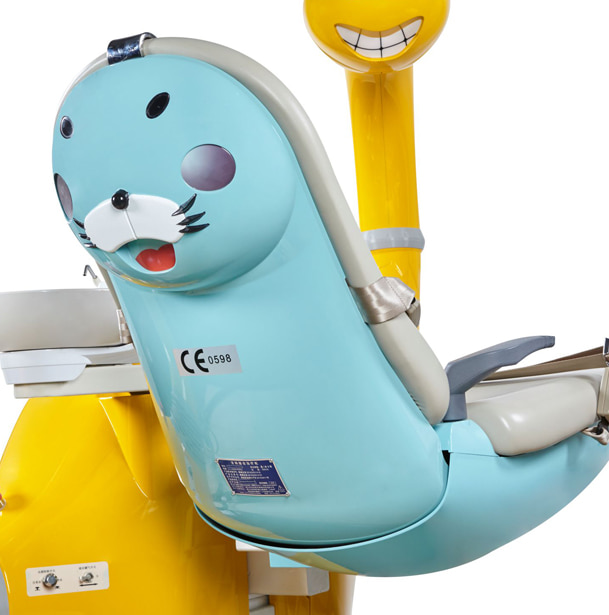
Advanced manufacturers maintain digital libraries of chair components, enabling rapid prototyping of custom modifications. Dental chains serving diverse pediatric populations can now order chairs with specific armrest configurations, headrest designs, or footrest arrangements without the prohibitive costs previously associated with customization. This flexibility represents a significant advantage for practices serving children with cerebral palsy, autism spectrum disorders, or other conditions requiring adapted positioning.
AI-Assisted Positioning and Memory Systems
Artificial intelligence integration represents perhaps the most significant technological advancement in pediatric dental chair design. Modern systems incorporate machine learning algorithms that analyze practitioner positioning preferences and patient anatomical data to suggest optimal chair configurations.
These systems maintain detailed positioning profiles for individual patients, automatically adjusting chair height, backrest angle, and headrest position when a patient record is accessed. For pediatric practices treating the same children across multiple visits, this capability eliminates manual adjustment time while ensuring consistent, comfortable positioning. Advanced implementations learn practitioner preferences during different procedure types, automatically configuring chairs for examinations, cleanings, or restorative procedures.
IoT Integration for Predictive Maintenance
Internet of Things connectivity enables continuous equipment monitoring and predictive maintenance capabilities. Sensors embedded throughout chair systems track hydraulic pressure, motor temperature, upholstery wear patterns, and component stress levels. This data streams to cloud-based analytics platforms that identify potential failures before they occur.
For dental practices and hospital networks operating multiple locations, centralized monitoring dashboards provide real-time visibility into equipment status across entire organizations. Maintenance teams receive automated alerts when chairs require service, with AI systems scheduling preventive interventions during low-patient-volume periods to minimize operational disruption.
Sustainable Manufacturing Practices
Environmental responsibility has evolved from differentiator to expectation. Leading manufacturers now employ eco-friendly materials including water-based adhesives, recycled aluminum frames, and bio-based upholstery foams derived from soy or castor oil rather than petroleum. Energy-efficient production facilities utilizing solar power and closed-loop water systems demonstrate commitment to sustainability that resonates with environmentally conscious practices.
Automated upholstery systems employing antimicrobial textiles and seamless construction techniques have replaced traditional multi-piece designs. These innovations simplify cleaning protocols while extending upholstery lifespan, reducing waste and long-term ownership costs. Smart hydraulic systems featuring ultra-smooth motion control employ variable-speed motors that consume 40% less energy than conventional constant-speed alternatives while providing superior comfort for anxious young patients.
Child-Friendly Design Features That Distinguish Leading Manufacturers
Pediatric dental chair design extends far beyond scaled-down adult equipment. Leading manufacturers employ multidisciplinary teams including pediatric dentists, child psychologists, and industrial designers to create environments that reduce anxiety while facilitating efficient clinical workflows.
Interactive Entertainment Integration
Modern pediatric chairs increasingly feature sophisticated entertainment systems designed to distract and calm anxious children. Integrated ceiling-mounted displays with adjustable viewing angles enable children to watch content during procedures, significantly reducing perceived discomfort and improving cooperation. Advanced implementations offer virtual reality capabilities, immersing children in interactive environments that completely divert attention from clinical activities.
Gaming interfaces represent the latest evolution in distraction technology. Touchscreen controls enable children to play age-appropriate games, with some systems incorporating biofeedback that rewards calm breathing and reduced muscle tension with game advantages. These gamification strategies leverage behavioral psychology principles, transforming potentially stressful experiences into engaging activities.
Content libraries increasingly emphasize educational programming about oral health, with manufacturers partnering with dental associations to develop age-appropriate content explaining proper brushing techniques, nutrition's impact on dental health, and the importance of regular checkups. This approach transforms chair time into learning opportunities, reinforcing positive dental health behaviors.
Anxiety-Reduction Design Elements
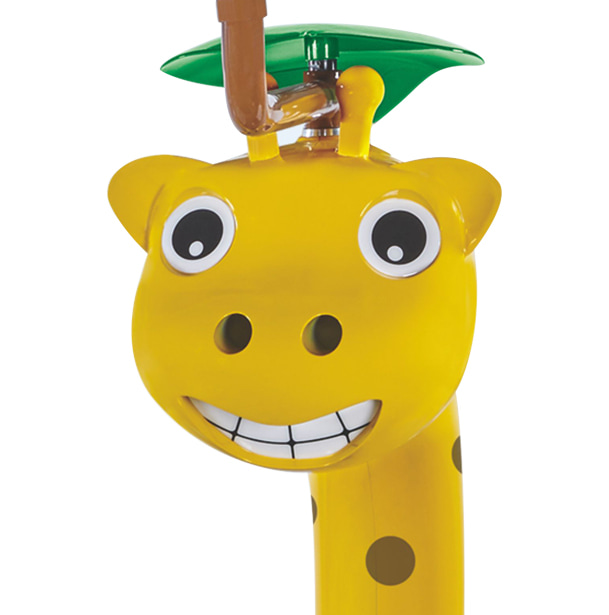
Color psychology informs vibrant, welcoming aesthetic designs that contrast sharply with clinical sterility. Manufacturers offer extensive customization options including cartoon character themes (popular animated characters), nature themes (ocean environments, forest scenes, space exploration), and abstract geometric patterns. Contemporary illuminated kids dental chairs incorporate LED lighting systems with adjustable colors and brightness, enabling practitioners to create calming atmospheres tailored to individual patient preferences.
Ergonomic considerations specific to children's smaller body dimensions and developmental stages ensure comfort across wide age ranges. Chairs accommodating patients from 2 to 16 years require exceptional adjustability in seat depth, backrest angle, armrest positioning, and footrest height. Leading manufacturers employ percentile-based anthropometric data from pediatric populations to ensure designs accommodate 5th through 95th percentile children at each age group.
Parent accommodation represents another critical design element. Many pediatric chairs incorporate viewing positions enabling parents to maintain eye contact and physical proximity with children during procedures. This capability proves particularly valuable for very young children or those with special needs requiring parental presence for emotional security. Retractable parent stools integrated into chair bases or nearby positioning ensure parents can provide reassurance without interfering with clinical access.
Special Needs Considerations
Forward-thinking manufacturers design chairs accommodating children with autism spectrum disorders, sensory processing challenges, and mobility limitations. Features include weighted blankets integration, noise-dampening materials reducing auditory stimulation, and extra-wide chair designs accommodating wheelchairs for transfer. Adjustable restraint systems provide necessary positioning support while maintaining dignity and comfort for children requiring additional stabilization.
Evaluating Manufacturer Production Capabilities and Supply Chain
Supplier assessment extends beyond product specifications to encompass manufacturing capacity, supply chain resilience, and long-term support infrastructure. Procurement managers should evaluate multiple dimensions before committing to pediatric dental chair manufacturers.
Manufacturing Model Assessment
The vertically integrated versus assembly-based distinction carries significant implications for quality consistency, customization flexibility, and supply chain stability. Vertically integrated manufacturers controlling component production through final assembly demonstrate several advantages. Quality control occurs at every production stage rather than relying on supplier certifications. Component specifications can be adjusted rapidly to incorporate design improvements or address field issues. Supply chain disruptions affecting component suppliers have minimal impact on production continuity.
Assembly-based manufacturers offer different value propositions. Lower capital requirements enable more aggressive pricing strategies. Component specialization from best-in-class suppliers potentially delivers superior individual elements. However, this approach introduces coordination complexity and quality variation risk when multiple suppliers contribute components to finished products.
Production Capacity Indicators
Annual output capacity indicates manufacturers' ability to fulfill large orders and sustain growth as practices expand. Leading manufacturers typically produce 5,000-15,000 pediatric chairs annually, with larger operations exceeding 20,000 units. Capacity constraints can result in extended lead times during peak purchasing seasons, typically occurring before new fiscal years when healthcare budgets renew.
Customization flexibility varies dramatically among manufacturers. Some offer extensive modification capabilities, enabling specification of upholstery colors, entertainment system configurations, and ergonomic adjustments. Others maintain rigid standard configurations, limiting options to predefined packages. For dental chains and hospital networks requiring consistent branding or specific clinical workflows, customization capability represents a critical selection criterion.
Lead time expectations require realistic assessment. Standard configurations from established manufacturers typically require 6-8 weeks from order to delivery. Custom specifications may extend timelines to 10-14 weeks. Manufacturers maintaining regional inventory hubs can sometimes fulfill standard orders within 2-4 weeks, though premium pricing typically applies.
After-Sales Service Infrastructure
Post-purchase support infrastructure dramatically influences long-term ownership experience. Comprehensive manufacturer evaluation should assess spare parts availability, technical support accessibility, warranty terms, and service network coverage.
Leading manufacturers maintain extensive spare parts inventories with same-day or next-day shipping for common components. This capability minimizes equipment downtime, critical for busy pediatric practices where chair availability directly impacts patient scheduling and revenue. Manufacturers should provide clear documentation of parts availability timelines and cost structures for components likely requiring replacement during equipment lifecycles.
Technical support accessibility involves multiple dimensions. Phone support availability during extended hours accommodates practices operating beyond standard business hours. Remote diagnostic capabilities enable technicians to assess issues via network-connected equipment, often resolving problems without site visits. Video support enables practitioners to receive visual guidance for minor adjustments and maintenance tasks, reducing dependence on field service calls.
Warranty terms vary substantially. Standard coverage typically includes 1-2 years parts and labor, with options to purchase extended warranties providing 5+ years coverage. Manufacturers confident in product quality often offer more generous standard warranties, signaling commitment to long-term performance.
OEM/ODM Capabilities
Dental chains, hospital networks, and large distributors increasingly seek Original Equipment Manufacturer (OEM) or Original Design Manufacturer (ODM) partnerships. When evaluating potential suppliers for buying dental equipment at scale, manufacturers with robust capabilities can produce private-label equipment or develop custom designs meeting specific organizational requirements. These partnerships enable larger organizations to differentiate their clinical environments while potentially accessing preferential pricing structures based on volume commitments.
Cost Analysis and ROI Considerations for Different Manufacturer Tiers
Financial evaluation of pediatric dental chair investments requires analysis extending beyond initial purchase price to encompass total cost of ownership and return on investment across equipment lifecycles.
Price Range Architecture
The pediatric dental chair market segments into distinct price tiers reflecting capability differences and target market positioning. Entry-level chairs priced between $8,000-$15,000 typically offer manual positioning, basic upholstery options, and limited entertainment features. These products target smaller practices, mobile dental programs, and budget-conscious organizations prioritizing functionality over advanced features.
Mid-range equipment occupying the $15,000-$25,000 segment incorporates automated positioning, enhanced ergonomics, integrated entertainment systems, and superior materials quality. This category represents the volume segment for established pediatric practices and dental school training programs requiring balance between capability and affordability.
Premium chairs commanding $25,000-$45,000 deliver cutting-edge technology including AI-assisted positioning, advanced entertainment integration, superior materials and craftsmanship, and extensive customization options. Children's hospitals, high-end pediatric specialty practices, and flagship locations for large dental organizations typically invest in this tier, viewing chairs as strategic differentiators enhancing patient experience and practice reputation.
Total Cost of Ownership Calculations
Comprehensive financial analysis requires evaluating expenses across equipment lifecycles, typically spanning 10-15 years for quality pediatric dental chairs. Initial capital investment represents only one component of total ownership costs.
Maintenance expenses vary significantly among manufacturers and product tiers. Annual maintenance contracts typically cost 3-5% of initial purchase price, covering preventive maintenance, parts replacement, and priority service response. Practices declining service contracts face variable maintenance costs averaging $800-$1,500 annually for mid-range equipment, with potential for substantially higher expenses if major components require replacement.
Consumable supplies including upholstery cleaning solutions, hydraulic fluid, and replacement filters contribute ongoing expenses. Annual consumable costs typically range $200-$400 per chair depending on patient volume and cleaning protocols.
Upgrade considerations impact long-term value. Premium manufacturers increasingly design modular systems enabling technology upgrades without complete equipment replacement. Entertainment system upgrades, improved hydraulic controls, or enhanced positioning systems can extend equipment relevance and patient appeal, deferring capital replacement requirements.
Direct Purchase vs. Distributor Pricing Models
Procurement strategy significantly influences net costs. Direct manufacturer purchases typically yield 15-25% savings versus distributor channels by eliminating intermediary margins. However, distributors provide value through consolidated ordering across multiple equipment categories, local service support, and sometimes more flexible payment terms.
Volume discount structures reward larger commitments. Multi-unit purchases for new practice openings or network expansions typically qualify for tiered discounts: 5-10% for 3-5 chairs, 10-15% for 6-10 chairs, and 15-20% for 10+ chair orders. Hospital networks and dental organizations operating multiple locations should leverage purchasing volume during negotiations.
Financing options have expanded significantly. Manufacturers increasingly offer in-house financing programs with terms ranging from 24-60 months, often featuring deferred payment periods or seasonal payment structures aligning with practice cash flow patterns. Equipment leasing represents an alternative enabling practices to preserve capital while accessing latest technology, with lease payments potentially qualifying as fully tax-deductible operating expenses.
ROI Metrics and Quantification
Return on investment manifests through multiple channels. Patient throughput improvement results from reduced chair adjustment time, particularly for AI-assisted positioning systems that eliminate manual configuration. Practices report 3-5 minutes time savings per patient, potentially enabling 2-3 additional patient appointments daily per chair—directly translating to revenue enhancement.
Reduced no-show rates represent substantial value. Practices investing in advanced pediatric chairs with entertainment systems report 15-25% reductions in appointment cancellations and no-shows, as children develop positive associations with dental visits and actively anticipate appointments rather than resisting them. For average pediatric practices, this improvement can generate $25,000-$40,000 additional annual revenue per chair.
Enhanced practice reputation and marketing differentiation enable premium pricing and accelerated patient acquisition. Parents increasingly research practice environments before selecting dental providers for children, with online reviews frequently highlighting comfortable, anxiety-free experiences enabled by advanced equipment. Practices leveraging superior pediatric environments report 20-30% faster new patient acquisition versus competitors using standard equipment.
Emerging Manufacturers vs. Established Brands: Comparative Analysis
The competitive landscape features established industry leaders facing intensifying competition from innovative new entrants, creating a dynamic market offering diverse options for pediatric dental equipment procurement.
Established Brand Landscape
A-dec maintains its position as the gold standard for premium dental equipment. The Oregon-based manufacturer's pediatric chairs emphasize durability, with many installations exceeding 20 years of service. A-dec's strengths include comprehensive service networks with authorized service centers throughout North America and extensive international coverage. Limitations include premium pricing 20-30% above competitors and relatively conservative technology adoption, with entertainment integration and AI features lagging newer manufacturers.
Midmark occupies a strong position in the mid-premium segment, offering excellent value balancing quality and cost. Their pediatric line features thoughtful ergonomic design and reliable performance. Midmark's extensive dealer network provides accessible local support. However, customization options remain limited compared to vertically integrated manufacturers, and their entertainment systems lack the sophistication of category leaders.
Planmeca represents European design excellence with sleek aesthetics and advanced technology integration. Finnish engineering delivers innovative features including integrated intraoral imaging and advanced patient positioning. Premium pricing and service network limitations in some regions represent potential challenges, particularly for practices outside major metropolitan areas.
Morita brings Japanese precision manufacturing and reliability. Their pediatric chairs emphasize quality materials and meticulous assembly. Conservative styling may lack the engaging visual appeal children respond to, and pricing positions them in the premium segment without corresponding technology advantages over newer competitors.
DentalEZ offers value-oriented solutions targeting budget-conscious practices. Their pediatric chairs provide solid core functionality at accessible price points. However, limited technology integration and basic materials quality may not satisfy practices seeking to differentiate through superior patient experience.
Chinese Manufacturer Advantages
Chinese manufacturers have evolved from low-cost suppliers to sophisticated competitors offering compelling value propositions. Companies featured in recent industry analyses demonstrate several competitive advantages:
Pricing competitiveness ranging 30-45% below Western competitors for comparable feature sets enables practices to access advanced technology within constrained budgets. This advantage proves particularly significant for multi-chair installations where aggregate savings can reach $50,000-$100,000.
Automation leadership reflects China's position at the forefront of robotics and AI integration. Chinese manufacturers often incorporate advanced positioning systems, IoT connectivity, and sophisticated entertainment platforms as standard features while Western competitors charge premium prices for equivalent capabilities.
Rapid innovation cycles enable Chinese manufacturers to incorporate emerging technologies faster than established brands constrained by legacy product architectures and conservative corporate cultures. Features like VR integration, AI-assisted positioning, and advanced infection control systems often debut in Chinese products before appearing in Western offerings.
Customization flexibility stems from vertically integrated production models and agile manufacturing philosophies. Chinese manufacturers typically accommodate custom requirements that Western competitors decline or price prohibitively, particularly valuable for specialty practices serving unique patient populations.
Quality perception has shifted dramatically. Leading Chinese manufacturers now maintain ISO 13485 certification, achieve FDA clearance and CE marking, and demonstrate quality approaching or matching Western standards. However, due diligence remains essential, as quality varies significantly among Chinese suppliers.
European Innovation Focus
European manufacturers continue leading in several dimensions. Sustainability leadership reflects stringent EU environmental regulations and cultural emphasis on ecological responsibility. European chairs typically feature recycled materials, low-emission manufacturing, and end-of-life recyclability exceeding alternatives.
Design sophistication represents another European strength. Italian and Scandinavian manufacturers in particular deliver aesthetically refined products that elevate clinical environment ambiance. For practices emphasizing design-forward environments, European equipment provides unmatched visual appeal.
However, premium pricing and sometimes limited service networks outside Europe create barriers for cost-conscious practices or those in regions with sparse European equipment dealer presence.
North American Service Excellence
US and Canadian manufacturers emphasize comprehensive service support as primary differentiation. Extensive authorized service networks ensure rapid response times and parts availability. For practices prioritizing minimal downtime and immediate support access, North American manufacturers offer compelling value despite higher acquisition costs.
Regulatory expertise represents another advantage. North American manufacturers' deep familiarity with FDA requirements and US healthcare procurement processes simplifies compliance documentation for hospital networks and dental organizations navigating complex purchasing requirements.
Future Trends Shaping Pediatric Dental Chair Manufacturing
The trajectory of pediatric dental chair development points toward increasingly intelligent, sustainable, and patient-adaptive equipment that fundamentally transforms clinical workflows and patient experiences.
AI and Machine Learning Advancement
Artificial intelligence capabilities will evolve beyond current positioning assistance to comprehensive clinical workflow optimization. Next-generation systems will analyze patient records, procedure types, and practitioner preferences to automatically configure not just chair position but also lighting intensity, instrument positioning, and environmental settings like music and screen content.
Predictive patient behavior systems represent an emerging frontier. AI algorithms analyzing appointment history, previous behavioral patterns, and real-time biometric data (heart rate, muscle tension) will identify children likely to experience anxiety and automatically trigger calming protocols including adjusted lighting, entertainment content selection, and positioning modifications proven effective for anxious patients.
Practitioner learning systems will analyze technique patterns, identifying ergonomic risks and suggesting positioning adjustments reducing physical strain. For pediatric dentists concerned about career-long musculoskeletal health, these systems will optimize chair configurations minimizing awkward postures and repetitive strain.
Telehealth Integration
Remote consultation capabilities will become standard features as telehealth adoption accelerates. Integrated high-definition cameras, intraoral imaging systems, and secure communication platforms will enable specialists to virtually participate in treatments at general practice locations. This capability proves particularly valuable in pediatric dentistry, where general practitioners can consult pediatric specialists for complex cases without patient travel burdens.
Remote patient monitoring will extend care beyond clinical visits. Chairs equipped with diagnostic sensors could capture baseline measurements during routine visits, with at-home monitoring devices comparing subsequent measurements and alerting practitioners to concerning deviations requiring intervention.
Advanced Infection Control
Automated UV-C sterilization systems will provide continuous surface disinfection between patients. Built-in UV-C emitters activated during chair changeover cycles will eliminate pathogens on all exposed surfaces, supplementing traditional cleaning protocols with proven germicidal technology.
Self-cleaning surfaces incorporating photocatalytic coatings activated by ambient light will provide continuous antimicrobial action. These coatings, already employed in hospital applications, will become standard in pediatric dental equipment given children's vulnerability to infections and frequent hand-to-surface contact.
Touchless controls minimizing surface contact will reduce cross-contamination risks. Voice-activated positioning, gesture controls, and mobile app interfaces will enable practitioners to adjust chair settings without physical contact with potentially contaminated control panels.
Sustainability and Circular Economy
Modular design principles will enable component-level upgrades and replacements, extending equipment lifecycles while reducing waste. Rather than replacing entire chairs when technology advances, practices will upgrade entertainment systems, hydraulic modules, or upholstery independently—reducing costs and environmental impact.
Biodegradable materials will replace petroleum-based plastics in non-structural components. Bio-based polymers derived from renewable resources will appear in upholstery foams, armrest padding, and decorative elements, significantly reducing equipment carbon footprints.
Manufacturer take-back programs will create closed-loop systems where end-of-life equipment returns to manufacturers for refurbishment and component recycling. Progressive manufacturers offering flexible dental equipment solutions will provide trade-in credits incentivizing responsible disposal while recovering valuable materials for remanufacturing.
Mobile and Modular Systems
Portable pediatric dental units will expand access to underserved populations. School-based dental programs, community health centers, and remote area services will leverage compact, transportable equipment providing comprehensive capabilities in non-traditional settings. Modern portable dental units feature quick-setup designs, integrated power systems, and ruggedized construction surviving frequent transport and varied operating environments.
Modular systems enabling practice-specific customization will accommodate diverse operational models. Manufacturers will offer core platforms with selectable modules for entertainment systems, positioning capabilities, and specialized features, enabling practices to configure equipment precisely matching their patient demographics, clinical focus, and budget constraints.
Conclusion
The landscape of new children dental chair manufacturers in 2026 offers unprecedented variety, innovation, and value for dental practices, hospitals, and distributors seeking to enhance pediatric patient experiences. From AI-assisted positioning to immersive entertainment integration, today's equipment transforms dental visits from anxiety-inducing necessities into comfortable, even enjoyable experiences for young patients.
Successful equipment selection requires systematic evaluation across multiple dimensions: safety certifications and regulatory compliance, manufacturing capabilities and supply chain resilience, technology integration and future-proofing, and total cost of ownership balanced against return on investment. The diversity of manufacturer options—from established Western brands to innovative Chinese suppliers to design-forward European manufacturers—ensures solutions exist for every operational requirement and budget constraint.
As manufacturers controlling production from raw materials through finished products demonstrate, quality consistency, customization flexibility, and innovation capacity distinguish industry leaders. Whether procuring a single chair for a new practice or outfitting a comprehensive children's dental facility, investment in advanced pediatric dental equipment delivers measurable returns through enhanced patient cooperation, reduced appointment cancellations, accelerated patient acquisition, and differentiated practice reputation.
The future of pediatric dental chair manufacturing promises even more transformative capabilities. Telehealth integration will extend specialist expertise to underserved areas. Advanced infection control will provide heightened safety assurance. Sustainable design will minimize environmental impact while modular architectures enable economical technology upgrades extending equipment relevance.
For dental professionals committed to providing exceptional pediatric care, partnering with innovative manufacturers who prioritize child-friendly design, technological leadership, and comprehensive support creates foundation for clinical excellence and practice growth. Exploring contemporary kids dental chair solutions reveals how advanced equipment design can transform your practice's pediatric patient experience while demonstrating commitment to the highest standards of care.
The pediatric dental chair you select today will serve your patients for the next decade or longer. Choose manufacturers who demonstrate commitment to innovation, quality, and partnership—ensuring your equipment investment delivers value, reliability, and exceptional patient experiences throughout its lifecycle. As the market continues evolving with creative dental equipment innovations and enhanced safety features through safe dental unit designs, staying informed about manufacturer capabilities and emerging technologies positions your practice for sustained competitive advantage in delivering superior pediatric dental care.
留言